Understanding Errors and Omissions Insurance in Washington State: A Comprehensive Guide for Professionals

Imagine you’re a business professional in Washington State, navigating the fast-paced world of commerce. Suddenly, you’re hit with a claim of negligence, and your entire career hangs in the balance. This scenario is more common than you might think, and that’s where errors and omissions insurance comes into play. It’s like having a financial safety net, ensuring that one mistake doesn’t topple your professional world.
In the competitive landscape of Washington’s business environment, understanding the intricacies of errors and omissions insurance is akin to having a secret weapon. In this guide, we’ll unravel the complexities of E&O insurance, spotlight its critical role, and arm you with the knowledge to choose the best policy to protect your livelihood.
Understanding Errors and Omissions Insurance
Did you know that 30% of businesses face legal action due to mistakes or negligence? For professionals in Washington State, Errors and Omissions Insurance is a lifesaver. It’s your safety net against costly lawsuits.
This type of insurance is designed to protect you from claims of inadequate work or negligent actions. Whether you’re a consultant, real estate agent, or tech specialist, you need a backup plan. What happens when something slips through the cracks? That’s where Errors and Omissions Insurance steps in.
The Purpose and Scope of Errors and Omissions Insurance
Errors and Omissions Insurance is a specialized type of liability protection. It covers the spectrum of professional services and their associated risks. If a client claims you made a mistake or failed to deliver on a promise, this insurance has your back.
Imagine a client is unhappy with your work. Instead of panicking, you can confidently say, “I’m covered.” This policy not only covers legal fees but also potential settlements. In short, it’s your financial shield against lawsuits.
Industries and Professions Requiring E&O Insurance
Who exactly needs Errors and Omissions coverage in Washington State? More industries than you’d think. Real estate, finance, medicine, even IT professionals all need this protection.
If you’re providing a service that requires detailed expertise, you fall into the “high-risk” category. And that means you need coverage. It’s not just for the big guys; even small businesses can face crippling lawsuits.
- Consultants
- Real Estate Agents
- Financial Advisors
- IT Professionals
- Healthcare Providers
Why E&O Insurance is Crucial for Businesses and Individuals
Here’s the deal: without E&O Insurance, one mistake could cost you everything. Whether it’s a typo in a financial report or a misinterpreted analysis, someone will hold you accountable.
Washington State is notorious for its litigious environment. Lawsuits can drain your resources and even your reputation. But with Errors and Omissions Insurance, you’re not just buying protection; you’re buying peace of mind.
Pro Tip: Make sure to tailor your policy to your specific industry to avoid coverage gaps.
Think of this insurance as an investment, not an expense. It’s about safeguarding your business’s future and ensuring that one error doesn’t lead to a business-ending event.
Coverage Specifics and Exclusions
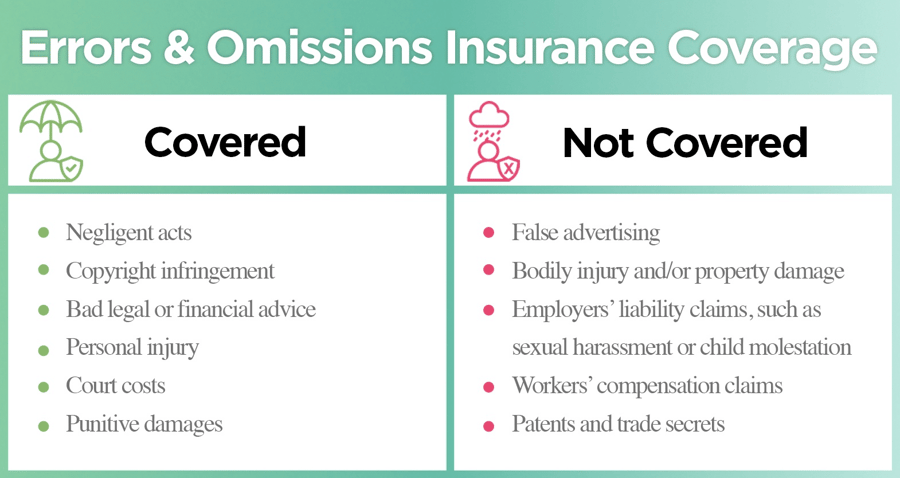
Errors and omissions insurance can be your business’s safety net, catching you when mistakes slip through the cracks. BUT do you know what’s really covered?
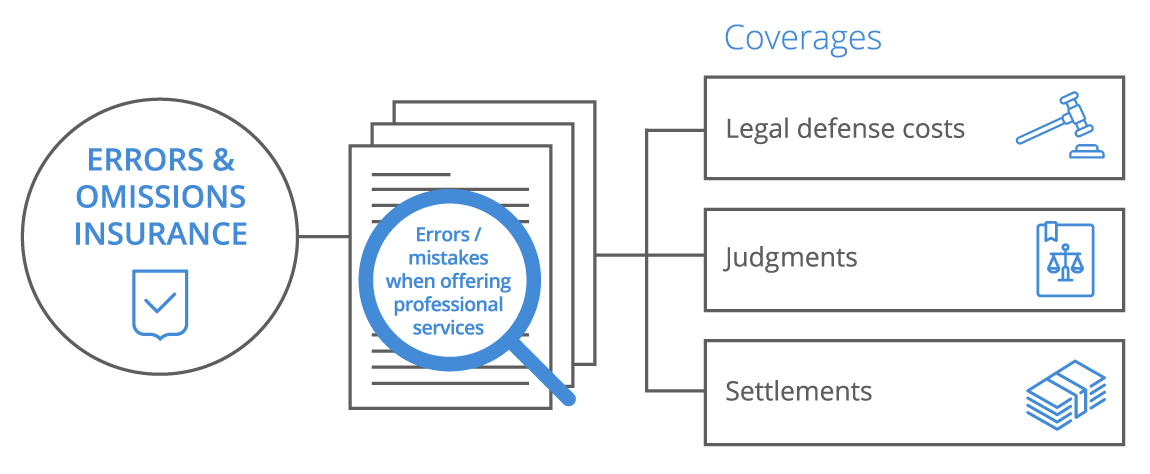
Understanding the specifics of your policy is the first step in protecting yourself from costly claims. This insurance typically covers legal fees, settlements, and defense costs when a client alleges negligence or errors in your professional services. However, not everything is covered.
What Your Policy Typically Covers
Your errors and omissions insurance is designed to cover claims of negligence, misrepresentation, and inaccurate advice. For example, if a financial consultant provides incorrect guidance that results in a client’s financial loss, the policy can cover legal costs associated with defending or settling the claim. BUT remember, each policy can be different, so it’s crucial to read the fine print.
Common Exclusions to Be Aware Of
Here is the deal: not every misstep is covered under E&O policies. Common exclusions include fraudulent acts, bodily injury, property damage, and claims made under a previous policy period. Suppose a software developer knowingly releases a flawed product that leads to data breaches—intentional wrongdoing would not be covered.
Real-Life Claims and Their Outcomes
Let’s look at some scenarios. A real estate agent mislabels property information, resulting in client financial loss. The error? Covered under E&O, resulting in a settlement payout. BUT a consultant falsifying their qualifications? That’s on them, as fraud is excluded.
Pro Tip: Always review your policy’s retroactive date. Claims made for incidents before this date may not be covered.
Knowing what’s in and what’s out of your policy can make the difference between a minor financial hiccup and a business-ending disaster. Make sure you know exactly how your policy works to avoid getting caught off guard.
Legal Requirements and Regulations
Did you know that many businesses in Washington State are legally required to have errors and omissions insurance? This isn’t just a suggestion—it’s a necessity if you want to stay compliant and protect your business from costly lawsuits.
Errors and omissions insurance, often called E&O insurance, covers you from claims of mistakes or negligence. It’s particularly crucial in industries like real estate, insurance, and finance. But, what are the specific legal requirements in Washington State?
Washington State-Specific E&O Regulations
Here’s the deal: Washington State mandates that certain licensed professionals carry E&O insurance. For instance, real estate agents must have a minimum level of coverage to legally operate. This requirement is not just about ticking a box—it’s about ensuring that consumers have recourse in case of professional errors.
Failing to have this insurance can lead to legal trouble, fines, and losing your professional license. And that’s not something you want on your plate!
Comparing Washington State to Other States
How does Washington stack up against other states? While E&O insurance is crucial everywhere, the specific requirements can vary significantly. Some states may have stricter regulations or different minimum coverage levels.
| State | Mandatory E&O Insurance | Minimum Coverage Requirements |
|---|---|---|
| Washington | Yes | Varies by profession |
| California | Yes | Different standards for real estate |
| Texas | No | Optional but recommended |
In a nutshell, knowing the specifics for your state is key to maintaining compliance and protecting your livelihood.
Pro Tip: Always review your state’s Department of Licensing website for the most current E&O regulations and requirements.
So, are you clear on your state’s E&O insurance needs? Don’t let a simple oversight put your business at risk.
Choosing the Right Policy
Do you know that 33% of small businesses face a lawsuit at some point? Yes, that’s a staggering statistic. It’s why choosing the right Errors and Omissions (E&O) insurance policy in Washington State isn’t just smart… it’s essential.
But with so many options, how do you pick the right one? Here’s the deal: It all boils down to evaluating and selecting the policy that suits your business needs best. Let’s dive into the strategies that will help you make the best decision.
Evaluating Insurance Providers
Start by comparing the top providers in the industry. Evaluate their coverage options, premiums, and customer reviews. This is where a little research can save you a lot of headaches down the road. Here’s a quick comparison:
| Provider | Coverage Details | Premiums | Customer Reviews |
|---|---|---|---|
| XYZ Insurance | Comprehensive; includes legal fees, settlements, and judgments | Moderate | 4.5/5 |
| ABC Assurance | Basic; covers legal fees and settlements only | Low | 4/5 |
| 123 Protect | Premium; full coverage with add-ons available | High | 4.8/5 |
Customizing Your Policy
Once you’ve shortlisted potential providers, it’s time to customize your policy. Here’s how:
- Assess Your Risk: Identify areas where your business is vulnerable. This will help you determine what coverage you need.
- Select Add-Ons: Depending on your industry, you may need additional protection. Consider industry-specific endorsements.
- Adjust Your Deductible: A higher deductible can lower your premium, but be sure it’s an amount you can afford.
Pro Tip: Always ask for a sample policy. It helps you understand the fine print and ensures there are no unpleasant surprises later on.
Remember, the right policy isn’t always the cheapest. It’s the one that offers the best balance between cost and coverage. Now, you’re armed with the knowledge to make an informed decision. Happy policy hunting!
Cost Factors and Premium Calculations

Ever wondered why your errors and omissions (E&O) insurance premiums are sky-high? You’re not alone. Many businesses in Washington State grapple with understanding the cost factors involved.
You might think that E&O insurance is just another expense, BUT here’s the deal: knowing what drives those premium costs can empower you to make smart decisions and potentially save big.
Key Factors Influencing Premium Costs
When it comes to calculating your E&O insurance premiums, several key factors come into play. These include the industry you’re in, the size of your business, and your claims history. For instance, a tech startup might have different risks compared to a real estate firm. Plus, if you’ve filed claims in the past, expect your rates to be higher.
Another major factor is the coverage limit you choose. Higher limits offer more protection but come with steeper premiums. To top it off, the deductible you opt for can also sway the cost. A higher deductible usually means lower premiums.
Calculating Potential Premiums
So, how do you calculate these costs? It’s a mix of art and science. Insurers use a base rate and then adjust it according to your business specifics. This might sound complex, BUT the process is straightforward with the right guidance.
- Step #1: Understand your industry’s risk level. Industries like healthcare and finance often pay more due to higher liability.
- Step #2: Assess your business size and revenue. Larger businesses typically have more exposure, thus higher premiums.
- Step #3: Review your claims history. Fewer claims can mean better rates.
Want to lower your premiums? Start by improving your risk management strategies. This can include regular staff training and updating procedures to minimize errors.
“Did you know? Many insurers offer discounts for implementing strong risk management practices. Plus, bundling E&O insurance with other policies can lead to significant savings.”
Discounts and Savings Opportunities
Insurance companies often provide discounts to businesses that demonstrate proactive risk management. Installing safety protocols, offering employee training, and having a clean claims history can all contribute to reduced premiums.
Furthermore, some insurers offer a multi-policy discount if you bundle your E&O insurance with other types of coverage, such as general liability or property insurance. This not only simplifies management but also cuts costs.
Here is the deal: By understanding these factors and utilizing available discounts, you can effectively manage your E&O insurance expenses and protect your business without breaking the bank.
Case Studies and Industry Insights
Ever wondered how errors and omissions insurance can make or break a business? In Washington, this type of insurance has been a game-changer for many industries.
From tech startups to healthcare providers, E&O insurance has saved countless businesses from financial disaster. But it’s not just about avoiding losses; it’s about smart risk management. Let’s dive into some real-world cases that highlight the importance of having the right coverage.
Tech Startups: Navigating Risks with E&O Insurance
In the fast-paced world of tech startups, a simple oversight can lead to significant losses. One Seattle-based software company faced a potential $500,000 lawsuit due to a coding error. Fortunately, their E&O insurance policy covered legal expenses and settlements, allowing them to focus on growth rather than litigation.
Pro Tip:
Always tailor your E&O policy to your specific industry risks. Generic policies can leave costly gaps.
Healthcare Industry: Protecting Patient Data
The healthcare sector is particularly vulnerable to data breaches. A medical practice in Spokane experienced a data leak, compromising thousands of patient records. Their E&O insurance not only covered the breach notification costs but also helped them implement better data protection measures.
Here’s the deal: Healthcare providers can face massive fines and reputational damage without proper E&O coverage.
Legal Firms: Avoiding Costly Missteps
Even the most experienced attorneys aren’t immune to errors. A law firm in Bellevue faced a malpractice claim after missing a critical filing deadline. Thanks to their comprehensive E&O policy, they managed to settle the claim without draining their resources.
Lawyers, listen up: An E&O policy can mean the difference between a minor hiccup and a major financial hit.
Expert Insights on E&O Trends
Industry experts agree: the demand for E&O insurance is rising. With increasing litigation risks, businesses are more aware of the potential for costly errors. Experts predict that customized, industry-specific policies will become the norm as companies seek tailored protection.
Step #1: Assess your business risks. Step #2: Consult with an E&O specialist to craft the right policy. This proactive approach can protect you from unforeseen liabilities.
Closure
In conclusion, errors and omissions insurance isn’t just a policy; it’s a cornerstone for any professional aiming to safeguard their reputation and financial stability in Washington State. As industries evolve and liabilities grow, having E&O insurance is like having a reliable partner that stands by you in times of need. Don’t wait for an unfortunate event to unfold – secure your peace of mind today!
Q&A
What is errors and omissions insurance?
Errors and omissions insurance is a type of professional liability insurance that protects businesses and professionals from claims of negligence, errors, or failures in their services.
Who needs errors and omissions insurance in Washington State?
Professions such as real estate agents, consultants, and financial advisors, among others, commonly require errors and omissions insurance to safeguard against potential legal claims.
What does errors and omissions insurance typically cover?
It usually covers legal fees, settlements, and judgments that arise from negligence claims against the policyholder.
Are there exclusions in errors and omissions insurance policies?
Yes, common exclusions include intentional wrongdoing, bodily injury, and property damage, which are generally covered by other types of insurance.
How are E&O insurance premiums calculated?
Premiums are based on factors such as the industry, size of the business, claims history, and the coverage limits chosen.