Are you a small business owner looking to protect your livelihood from unforeseen disasters? Then you’re in the right place! Navigating the world of small business insurance can be daunting, but it’s crucial for protecting your hard-earned investment. In this guide, we’ll break down the different types of small business insurance and why they’re essential for any entrepreneur.
From general liability to worker’s compensation, understanding the ins and outs of these insurance policies can mean the difference between staying afloat or sinking when disaster strikes. By the end of this article, you’ll be equipped with the knowledge to choose the best coverage for your specific needs and gain peace of mind knowing your business is safeguarded.
Types of Small Business Insurance
Did you know that 40% of small businesses never reopen after a disaster? Having the right insurance can be your lifeline. Let’s dive into the types of insurance every small business owner should know about.
Small business insurance isn’t just a nice-to-have. It’s a must-have. From protecting your property to covering legal liabilities, these policies can safeguard your business from financial ruin.
General Liability Insurance
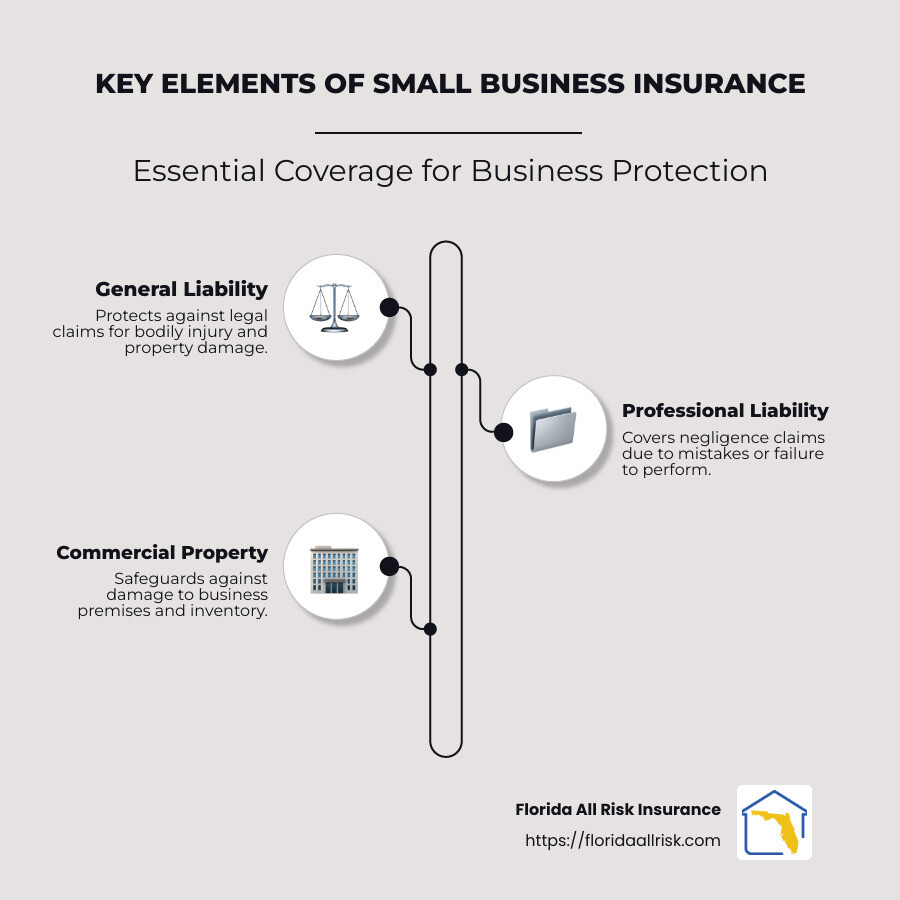
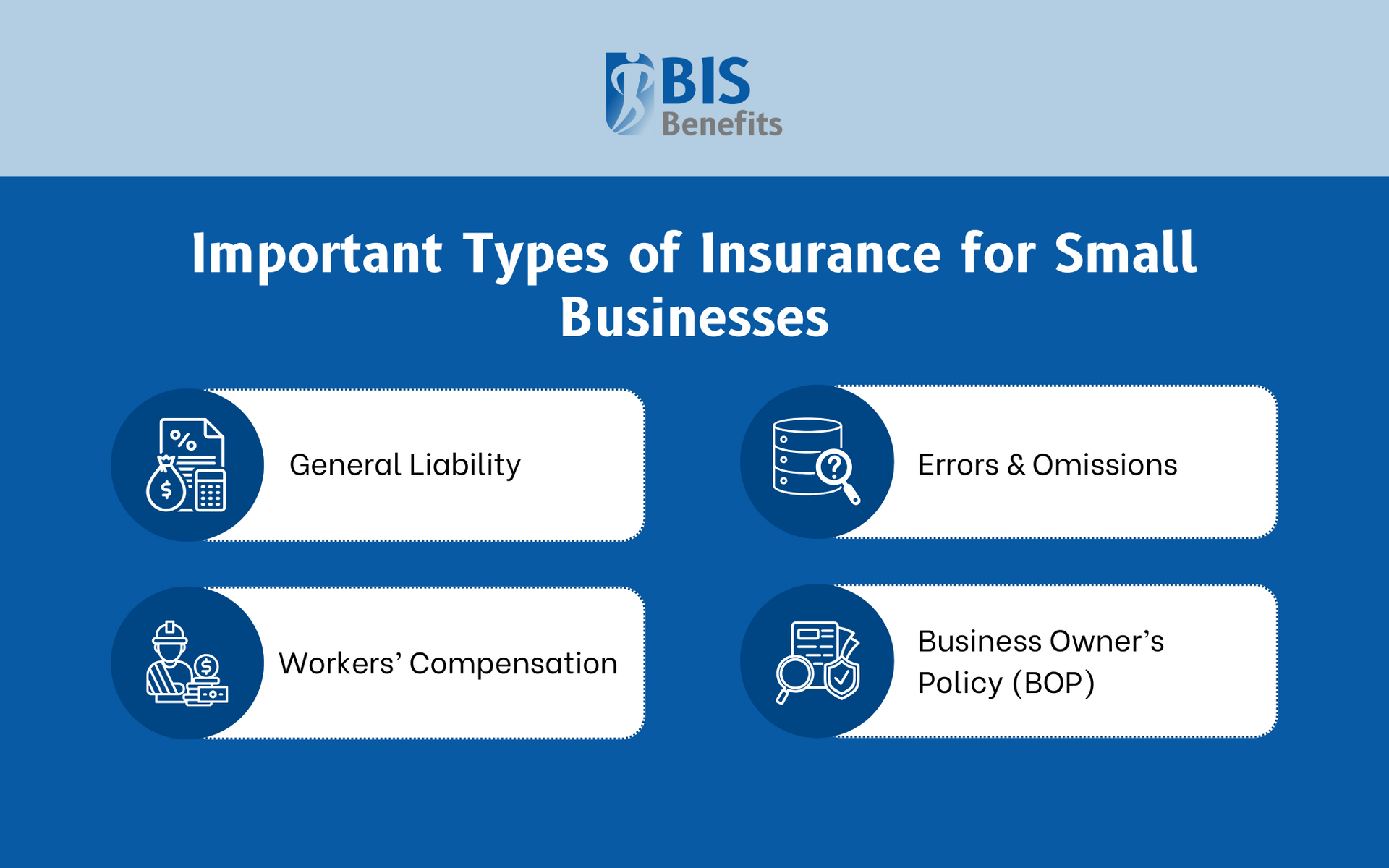
This is the most common insurance needed by small businesses. It covers claims of bodily injury or property damage that your business might be liable for. Imagine a customer slipping in your store; this policy has you covered. Without it, you could face catastrophic expenses.
Commercial Property Insurance
Your business assets are crucial. What happens if they’re destroyed? With commercial property insurance, your building, equipment, and inventory are protected from damages caused by fire, theft, or natural disasters. Pro Tip: Don’t underestimate the value of your assets—ensure they are fully covered.
Workers’ Compensation Insurance
If you have employees, this is a must. Should an employee get injured or fall sick at work, this insurance covers their medical costs and lost wages. It’s not just about compliance; it shows you care about your team’s wellbeing.
Professional Liability Insurance
Also known as errors and omissions insurance, this is vital for service-based businesses. It protects against claims of negligence or mistakes. Even a minor error in professional advice could lead to a lawsuit, and this policy helps mitigate that risk.
Business Interruption Insurance
If a disaster strikes, your business operations could come to a halt. This insurance covers lost income and operating expenses during the downtime. It’s a lifesaver that ensures you stay afloat when the unexpected happens.
| Insurance Type | Coverage | Benefits |
|---|---|---|
| General Liability | Third-party bodily injury, property damage | Financial security against lawsuits |
| Commercial Property | Building, equipment, inventory | Asset protection |
| Workers’ Compensation | Employee injuries and illnesses | Compliance and employee protection |
| Professional Liability | Negligence, mistakes | Protection from service errors |
| Business Interruption | Lost income, operating expenses | Operational sustainability |
Benefits of Small Business Insurance
Did you know that 40% of small businesses never reopen after a disaster? That’s right. The lack of proper insurance can literally break a business. But let’s dive into how you can protect yours.
Small business insurance isn’t just a safety net; it’s a lifeline. It shields your business from unexpected financial hits that could otherwise derail your operations. Imagine facing a lawsuit without coverage – the legal costs alone could be devastating.
Protection Against Financial Losses
One of the biggest advantages is how insurance protects you against financial losses. It’s like having a financial guardian watching your back. For instance, if a client sues you for negligence, your insurance can cover the legal fees and settlement costs. Without it, you might face crippling debts or even bankruptcy.
Here’s the deal: Insurance ensures that a single incident doesn’t wipe out your business. You’re basically buying peace of mind.
Peace of Mind for Business Owners
Running a business is stressful enough without having to worry about every “what if” scenario. With insurance, you get a unique kind of comfort. It’s like having a safety net that lets you focus on growth rather than potential threats.
Pro Tip: Consider bundling different types of insurance for comprehensive coverage and possible discounts.
This peace of mind is invaluable. You can sleep better knowing that if something goes wrong, you’re covered.
Real-World Scenarios and Examples
Let’s illustrate with some examples. A flood damages your office – insurance covers the repair costs. An employee gets injured on the job – insurance handles the medical bills and compensation. See the pattern? Insurance handles the unexpected, so you don’t have to.
Here’s how insurance helps mitigate risks:
- Protects assets from natural disasters
- Covers legal expenses from lawsuits
- Compensates for lost income during interruptions
With these benefits, small business insurance becomes more than just a policy; it’s a key part of your business strategy.
Cost Factors in Small Business Insurance

Did you know that small businesses spend an average of $1,200 per year on insurance? That’s a significant chunk of change!
But why is there such a wide range in costs across different businesses? It all boils down to a few key factors that have a major impact on your insurance premiums.
Factors Influencing Insurance Costs
First, let’s talk about the type of industry you’re in. Riskier industries, like construction, tend to have higher premiums because the likelihood of claims is greater. On the other hand, a small consultancy might enjoy lower rates due to a relatively calm risk profile.
Another factor? The size of your business. The larger your operation, the more coverage you’ll need, which can increase your costs. Don’t forget about your location. Operating in areas prone to natural disasters or crime will also affect your premiums.
Comparing Costs Across Insurance Providers
Shopping around is crucial. Different providers offer varying rates for similar coverage. Here’s a quick comparison:
| Provider | Average Cost Per Year |
|---|---|
| Provider A | $1,100 |
| Provider B | $1,300 |
| Provider C | $1,250 |
Pro Tip: Don’t just focus on the price. Look at the coverage details and customer service reputation too.
Cost-Saving Measures
Feeling the pinch? There are ways to cut down on insurance costs without sacrificing coverage. Consider increasing your deductibles. A higher out-of-pocket expense can lower your premium significantly.
Bundle your policies. Many insurers offer discounts if you buy multiple types of coverage from them. And don’t underestimate the power of risk management. Implementing safety protocols can lead to lower rates.
Calculating Approximate Insurance Costs
Want a ballpark figure before getting quotes? Here is the deal: calculate your business’s revenue and risk level. Many insurers provide online calculators to estimate costs. Generally, plan to spend around 20% of your total coverage amount in annual premiums.
Always tailor your calculations to your business specifics. Keep revisiting quotes and adjusting your coverage as your business grows.
Legal Requirements for Small Business Insurance
Did you know that not having the right business insurance can cripple your business? Even if you’re a small operation, the law might require you to carry specific types of insurance to operate legally.
But here’s the deal: the legal stipulations for small business insurance vary significantly from one state to another. This means you need to be well-informed about the requirements specific to your business location to avoid running into legal troubles.
Understanding State-Specific Insurance Requirements
Each state in the U.S. has its own set of rules and regulations when it comes to business insurance. For instance, workers’ compensation insurance is mandatory in most states if you have employees. However, the criteria and specific obligations can vary.
Pro Tip: Always check with your state’s Department of Insurance to get the most up-to-date and precise requirements!
Consequences of Not Having Required Insurance
Failure to adhere to insurance requirements can lead to severe penalties. You might face hefty fines, legal actions, or even the suspension of your business operations. Plus, without adequate insurance, your business is exposed to financial ruin from lawsuits or unforeseen damages.
Imagine being a small business and having to pay out-of-pocket for a liability claim. It’s a risk not worth taking.
Industries with Specific Insurance Mandates
Some industries have stricter insurance mandates due to the nature of their operations. For example, construction businesses often require general liability and workers’ compensation insurance due to the high-risk environment. Similarly, healthcare providers are usually required to have malpractice insurance.
These mandates are in place to protect both the business and its customers, ensuring a standard level of accountability and safety.
Choosing the Right Small Business Insurance
Here’s the brutal truth: not all insurance policies are created equal. Choosing the wrong insurance could cripple your business.
But how do you know which policy is right for you? It’s all about understanding your business’s unique needs and comparing your options like a pro.
Guidelines for Selecting the Most Suitable Insurance
First things first, you need to identify your business risks. Are you a bakery worried about fire hazards or a tech startup focused on data breaches?
Once you’ve got a handle on your risks, it’s time to research insurance types that cover those specific needs. From general liability to professional indemnity, know what’s out there.
Evaluating Different Insurance Policies
Here’s the deal: all insurance providers sound amazing on paper. But you need to dig deeper.
Step #1: Read customer reviews and ratings. Are other small business owners happy with their service?
Step #2: Compare policy details. Pay attention to exclusions—what isn’t covered could be a deal-breaker.
Criteria to Assess the Adequacy of Insurance Coverage
Your business is unique, so your insurance should be too. Here’s how to check if your coverage is enough:
- Policy Limits: Does it cover the worst-case scenario?
- Deductibles: Are you comfortable with what you’ll pay out-of-pocket?
- Settlement Time: How quickly do they pay out claims?
Pro Tip: Always ask for a sample policy document before signing anything.
Strategies to Negotiate with Insurance Providers
Most people don’t realize they can negotiate their insurance policy terms. But you can! Here’s how:
Step #1: Know your stuff. Walk into negotiations with a solid understanding of your needs and the market rates.
Step #2: Don’t be afraid to ask for discounts or better terms. Sometimes just asking is all it takes to get a better deal.
Negotiating might feel uncomfortable, but remember: insurance is a business transaction, and you hold the power!
Case Studies on Small Business Insurance
Ever wondered how small businesses survive disasters? Insurance is often the unsung hero behind their success. Let’s dive into a few real-world examples that show just how crucial insurance can be for small enterprises.
Businesses face a plethora of risks every day. Without proper insurance, these risks can turn into financial nightmares. But with the right coverage, small businesses not only survive but thrive after setbacks.
Real-World Examples of Businesses Benefiting from Insurance
Meet “Joe’s Coffee Corner,” a flourishing café that had a close brush with disaster. When a pipe burst, it flooded the entire store. Without insurance, Joe would have faced crippling repair costs. Thanks to his property insurance, he covered the damages and was back to brewing in no time.
On the flip side, consider “Techie Gadgets,” a startup that skipped liability insurance to cut costs. When a customer sued over a faulty product, the legal fees alone almost bankrupted the company.
Successful Insurance Claims and Their Impact
Successful claims can be game-changers. “Green Landscaping,” a small service provider, faced a massive theft of equipment worth thousands. Initially, it seemed like the end of the road. But here’s the deal: their comprehensive coverage not only reimbursed the loss but also helped them upgrade to better equipment. This boosted their business and reputation.
Pro Tip: Always evaluate what specific risks your business faces and choose insurance accordingly. The right policy can mean the difference between a minor setback and total closure.
Challenges Faced by Businesses Without Proper Insurance
Without proper coverage, small businesses can face dire consequences. “Baker’s Delight” learned this the hard way when a fire destroyed half their inventory. They had skimped on business interruption insurance, leading to a prolonged closure that lost them significant clientele.
Let’s compare these scenarios:
| Business | Situation | Insurance Coverage | Outcome |
|---|---|---|---|
| Joe’s Coffee Corner | Flooded store | Property Insurance | Repaired damages, resumed operations quickly |
| Techie Gadgets | Customer lawsuit | No Liability Insurance | Faced bankruptcy |
| Green Landscaping | Theft of equipment | Comprehensive Coverage | Reimbursed and upgraded |
| Baker’s Delight | Fire damage | No Business Interruption Insurance | Lost clientele due to prolonged closure |
Last Word
In conclusion, investing in the right small business insurance is more than just a prudent financial decision—it’s a vital part of running a successful business. By understanding the various types of coverage and what they offer, you can protect your business from potential financial ruin and focus on what truly matters: growing your enterprise. So, take the reins and make informed decisions that could save your business in the long run.
Frequently Asked Questions
What are the most common types of small business insurance?
The most common types include general liability insurance, property insurance, and worker’s compensation insurance.
Why is small business insurance important?
Small business insurance protects against financial losses, provides peace of mind, and helps manage risks effectively.
How can I determine the cost of small business insurance?
The cost is influenced by factors like business size, industry, and location. Comparing quotes from different providers can help determine costs.
Are there legal requirements for having small business insurance?
Yes, legal obligations vary by state and industry; it’s crucial to understand the specific requirements in your area.
How do I choose the right insurance policy for my small business?
Evaluate your business needs, compare policies, and negotiate with providers to ensure comprehensive coverage.
