Hey there, savvy entrepreneur! Have you ever wondered what stands between your thriving business and the unexpected curveballs life throws your way? That’s right, it’s insurance! In the vibrant world of small businesses, understanding the right insurance can make or break your enterprise. In this guide, we’re diving into the heart of three essential types of small business insurance commercials that could be the key to safeguarding your dream.
Imagine this: You’re running a tight ship, everything’s smooth sailing, but then out of the blue, a storm hits. With the right insurance in your corner, you’re not just staying afloat; you’re thriving through the turbulence. We’ll unpack everything from the must-have policies to the nitty-gritty details of coverage. So buckle up, because we’re about to navigate the essential seas of small business insurance with style and savvy, Backlinko style!
Understanding Small Business Insurance

Did you know that 40% of small businesses don’t reopen after a disaster? That’s a massive risk to take. Small business insurance isn’t just a safety net. It’s a lifeline.
Insurance protects your business from unexpected setbacks. Whether it’s a natural disaster, a lawsuit, or theft, having the right policy can mean the difference between weathering the storm or going under. Let’s dive into what you need to know.
The Importance of Insurance for Small Businesses
Without insurance, your business is like a ship without a lifeboat. One storm could sink it. Insurance covers liabilities and risks that could otherwise drown your business in debt. It’s not just about compliance. It’s about securing your future.
Common Types of Small Business Insurance
There are several options, but three stand out: General Liability Insurance, Property Insurance, and Workers’ Compensation. General Liability covers injuries and damage claims. Property insurance protects your physical assets. Workers’ Comp takes care of your employees if they get hurt on the job. These are the big three, but don’t ignore specialized insurance if your field requires it.
Pro Tip: “Combine policies for a discount.”
Risks Faced by Small Businesses Without Insurance
If you’re uninsured, you’re gambling with your business’s future. Lawsuits, natural disasters, and theft can strike at any moment. The financial fallout could be catastrophic. Imagine losing everything overnight because you didn’t have coverage.
Types of Insurance for Small Businesses

Are you overwhelmed by all the insurance options out there for your small business? You’re not alone. Choosing the right insurance can feel like navigating a maze.
But here’s the deal: getting the right coverage is crucial. It protects your business from unexpected curveballs. In this section, we’ll break down the *must-have* insurance types for small businesses.
General Liability Insurance: Your First Line of Defense
General Liability Insurance is a non-negotiable for small businesses. It covers a wide range of risks, from customer injuries at your location to property damage you might cause. The biggest benefit? It gives you peace of mind knowing you’re protected.
However, there are drawbacks. It doesn’t cover everything. For instance, it won’t help with professional errors or employee injuries. Coverage options usually include bodily injury, property damage, and advertising injury.
Professional Liability Insurance: Protect Your Expertise
If you’re in a service-based industry, Professional Liability Insurance is a must. It covers you against claims of negligence or mistakes in your professional services. The major advantage here is it protects your business’s reputation.
On the downside, it can be expensive, especially in high-risk industries. But having it means you’re covered if a client claims your advice cost them money. Coverage options typically include legal defense costs and settlements.
Pro Tip: Always review what each insurance policy covers and excludes. It can save you headaches in the long run.
Workers’ Compensation Insurance: Guarding Your Team
Does your business have employees? Then, Workers’ Compensation Insurance is essential. It covers medical expenses and lost wages for injured employees. The main benefit is it helps you avoid legal battles with employees.
That said, it increases your operational costs, especially for physically demanding jobs. However, the coverage options often include medical treatment, disability benefits, and vocational rehabilitation.
Let’s break this down:
| Insurance Type | Benefits | Drawbacks | Coverage Options |
|---|---|---|---|
| General Liability | Broad coverage, peace of mind | Excludes professional errors | Bodily injury, property damage |
| Professional Liability | Protects reputation | Can be costly | Legal defense, settlements |
| Workers’ Compensation | Avoids legal issues | Increases operational costs | Medical expenses, lost wages |
Choosing the Right Insurance for Your Business
Did you know that 40% of small businesses have never been insured? This might be shocking, but many business owners don’t realize the risk they’re taking.
Picking the perfect insurance plan for your business can feel like navigating a maze. BUT the good news? I’m about to break it down step-by-step for you.
Evaluating Insurance Needs Based on Business Type
Here is the deal: Different businesses have different insurance needs. You wouldn’t want to cover a bakery the same way you’d cover a construction company. The first step is to evaluate the unique risks associated with your business.
Ask yourself, what are the biggest threats to my business? Is it property damage, customer accidents, or maybe cyber threats?
Pro Tip: Always consult with an insurance broker who understands your industry. They can help pinpoint potential risks you might overlook.
Once you identify the risks, you can tailor your coverage to fit like a glove. Here’s a simple table to help match your business type with the right insurance:
| Type of Business | Recommended Insurance | Coverage Details | Cost Range |
|---|---|---|---|
| Retail Store | General Liability | Protects against customer injuries on premises | $500 – $2,500/year |
| Tech Start-up | Cyber Liability | Safeguards against data breaches and cyberattacks | $1,000 – $7,500/year |
| Construction Firm | Workers’ Compensation | Covers employee injuries and medical expenses | $3,000 – $10,000/year |
Look at these examples for better clarity:
A local bakery might focus on property insurance due to equipment investment and fire risks. Meanwhile, a digital marketing agency should prioritize professional liability insurance to shield against client lawsuits.
By tailoring your insurance to your business type, you not only protect your assets but also ensure long-term peace of mind.
Cost Factors for Small Business Insurance
Did you know that the average small business in the U.S. spends between $500 to $3,000 annually on insurance? But why the wide range? The truth is, your insurance costs are affected by a variety of factors.
Here is the deal: understanding these factors can help you make informed decisions and potentially save money. So, let’s dive into the key cost influencers for small business insurance and explore how you can keep expenses in check.
Factors Influencing Insurance Costs
Several elements play a crucial role in determining your insurance premiums. These factors can either drive your costs up or help bring them down. By identifying and managing them, you can maintain adequate coverage without breaking the bank.
| Factor | Description | Impact on Cost | Examples |
|---|---|---|---|
| Business Type | The industry and operations of your business. | High-risk industries typically pay more. | Construction vs. Consulting |
| Location | Where your business operates geographically. | High-crime areas may increase premiums. | Urban vs. Rural |
| Coverage Amount | The extent and amount of coverage you choose. | More coverage equals higher premiums. | $500,000 vs. $1,000,000 liability |
| Claims History | Your past insurance claims records. | Frequent claims can raise your rates. | Zero claims vs. multiple claims |
| Business Size | The scale of your business, including revenue and number of employees. | Larger businesses often face higher costs. | 5 employees vs. 50 employees |
Strategies to Reduce Insurance Costs
Reducing insurance costs doesn’t mean sacrificing coverage. Here’s how you can lower your premiums without putting your business at risk.
- Consider increasing your deductible: A higher deductible can lower your monthly premium, but make sure you can afford it if you need to file a claim.
- Bundle policies: Combining multiple insurance policies under one provider can lead to discounts.
- Improve workplace safety: Fewer accidents mean fewer claims, which can reduce your premiums over time.
- Shop around: Don’t settle for the first quote you get. Compare rates from different insurers to find the best deal.
Pro Tip: Regularly review your insurance needs and adjust your coverage to reflect changes in your business to avoid paying for unnecessary coverage.
Legal Requirements for Small Business Insurance
Think small businesses can skip insurance? Think again. Legal mandates make certain insurance types a must-have for small businesses.
Here’s the deal: Ignoring these requirements isn’t just risky—it’s outright illegal in many places. The legal landscape shifts dramatically depending on your location. So, understanding your region’s specifics is crucial.
Understanding Regional Differences in Insurance Laws
Insurance laws vary wildly. In some areas, you’re required to have workers’ compensation if you have even a single employee. Other places let you off the hook until you hit five. General liability insurance might be optional in one state but mandatory in another—especially if you’re a contractor. That means you have to know YOUR area’s regulations to stay compliant.
Penalties for Ignoring Insurance Laws
Non-compliance isn’t just a slap on the wrist. Fines can pile up quickly, digging a big hole in your budget. For instance, not having workers’ compensation insurance could result in fines up to $10,000 per incident in some states. And that’s not all—some businesses have faced closures due to repeated violations. So, it pays (literally) to stay on top of your insurance game.
Pro Tip: Always consult with an insurance professional or legal advisor to ensure you’re fully compliant with local laws.
Benefits of Having Adequate Business Insurance
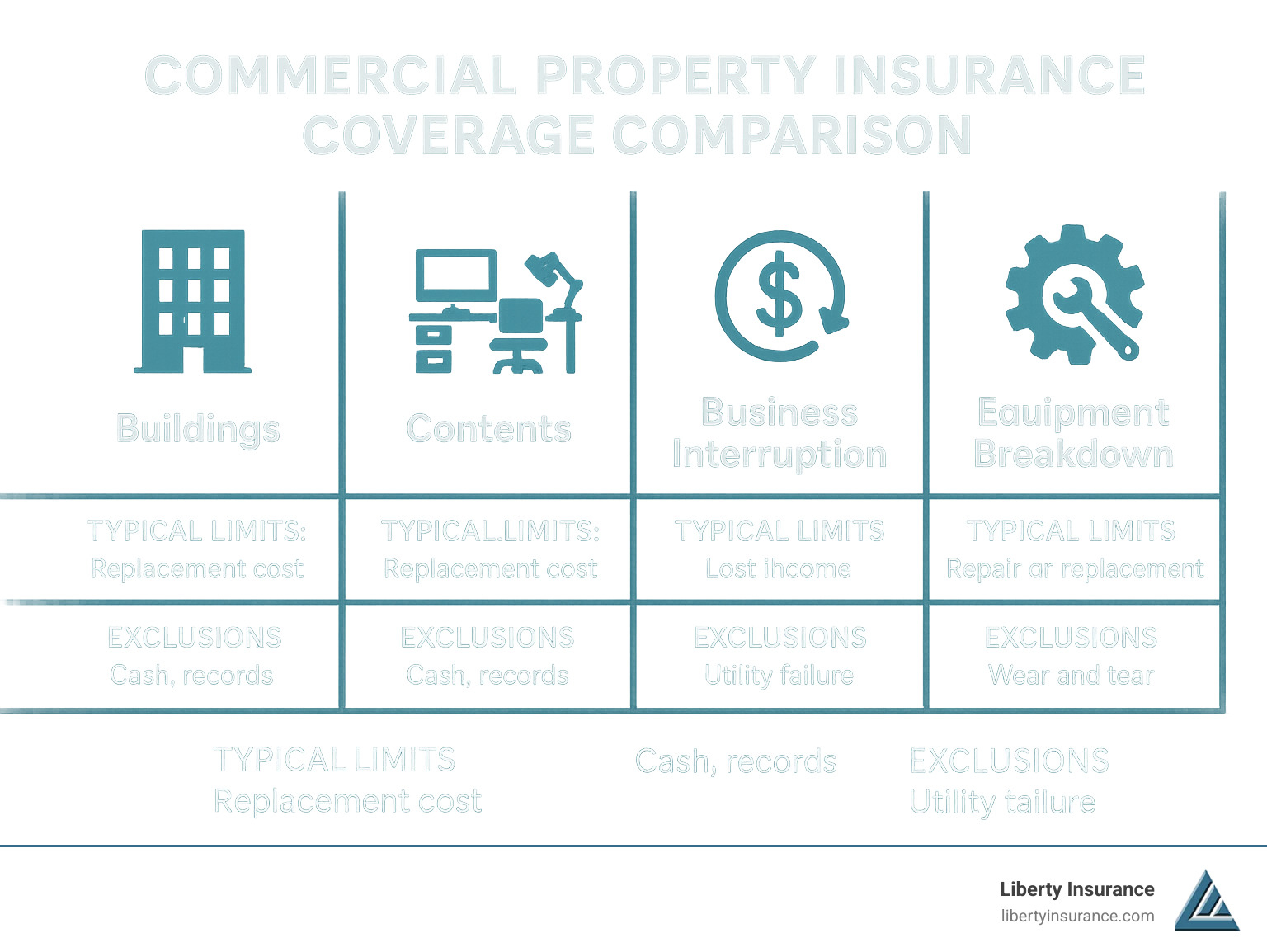
What if a single incident could wipe out your business overnight? That’s where adequate business insurance steps in. It’s not just a safety net; it’s a critical lifeline for your company’s survival and growth.
Having comprehensive insurance coverage means you’re prepared for the unexpected. From financial protection to operational stability, the benefits are immense. Let’s dive into why investing in the right insurance is crucial for your business’s future.
Financial and Operational Stability
When disaster strikes, financial stability becomes your biggest asset. Insurance ensures you can cover unexpected costs without draining your bank account. For instance, imagine a fire damages your office. With the right policy, you can rebuild without financial strain.
Operationally, insurance gives you peace of mind. Knowing you’re covered allows you to focus on growing your business instead of worrying about potential risks. It’s like having a protective shield that keeps you moving forward.
Case Studies That Highlight Insurance Importance
Consider a small bakery that suffered a kitchen fire. Thanks to their comprehensive insurance, they received funds to not only rebuild but also upgrade their equipment. The result? Increased efficiency and sales.
Another example: a tech startup faced a lawsuit over intellectual property. Their policy covered legal costs, allowing them to defend their innovation without diverting funds from other critical areas. These cases prove that adequate insurance can be a game-changer.
Long-term Advantages of Right Insurance Policies
Think about the long-term benefits. With the right policies, you can attract better financing, as lenders see you as a less risky investment. It also boosts your credibility with clients and partners who appreciate that you’re covered against disruptions.
Here is the deal: investing in the right insurance now brings protection and growth in the future. It’s not just an expense; it’s a strategic move that pays off over time.
Pro Tip: Always review your insurance annually. Your business evolves, and so should your coverage!
Last Word
And there you have it! By understanding and implementing the right small business insurance, you’re not just buying a policy; you’re investing in peace of mind. The right coverage acts as a robust safety net, catching you when things go south. Remember, the best time to secure your business’s future was yesterday, but the next best time is today. So go ahead, explore your options, and build a fortress around your business that can withstand any storm. Until next time, keep thriving and stay insured!
FAQ Section
What are the three essential types of small business insurance?
The three essential types are general liability insurance, professional liability insurance, and property insurance.
Why is general liability insurance important?
General liability insurance covers incidents like bodily injuries or property damage that could occur during business operations, providing crucial protection against lawsuits.
How can a business choose the right insurance?
Evaluate your business risks, industry standards, and consult with an insurance advisor to tailor a policy that meets your specific needs.
What factors influence the cost of business insurance?
The cost is influenced by factors like business size, industry risk, location, and claims history.
Can small businesses reduce their insurance costs?
Yes, by opting for bundled policies, enhancing safety measures, and comparing quotes from different providers, businesses can reduce costs while maintaining coverage.
Are there legal requirements for small business insurance?
Yes, legal requirements vary by region, but many places mandate certain types of insurance like workers’ compensation or liability coverage.
