When you think about insurance companies, what comes to mind? Perhaps it’s the peace of mind knowing that your assets are protected. Or maybe it’s the intricate web of policies and fine print that make up the industry. Whatever your perception, there’s no denying that insurance companies play a pivotal role in financial protection. From safeguarding individual assets to underpinning the very foundation of global commerce, these companies are integral to modern life.
In this article, we’re diving deep into the world of insurance, exploring the titans of the industry who set the standards on a global scale. We’ll uncover the secrets behind their success, look at the innovative strategies they’ve employed, and predict where they’re headed in the future. So, sit tight as we unravel the mystery of who is the top three insurance company and what makes them the industry leaders.
Overview of the Insurance Industry
Did you know that the global insurance market is expected to hit $6.4 trillion in 2025? Crazy, right? Insurance companies are like financial guardians, protecting you from the unpredictable disasters life can throw at you.
From ancient maritime policies to today’s cutting-edge cyber insurance, the industry has come a long way. The role of insurance companies is crucial in providing financial protection for individuals and businesses alike. They help spread risk, ensuring that a single unfortunate event doesn’t turn into a financial catastrophe.
The Evolution of Insurance Companies
Insurance has been around for millennia. Ancient Chinese merchants were among the first to dabble in sharing risk, but it was the Great Fire of London in 1666 that truly kickstarted the modern insurance world.
Fast forward to today, and you’ll find insurance companies at the forefront of financial services. But here is the deal: the industry isn’t just about paper policies anymore. With globalization, insurance giants are now operating across borders, offering everything from life insurance to specialized coverage against cyberattacks.
The Impact of Globalization on the Insurance Industry
Globalization has reshaped the insurance industry, turning local players into global powerhouses. By operating across multiple countries, these companies can diversify their risk and tap into new markets.
But it’s not just about size. Global operations mean dealing with different regulations, local competitors, and unique market dynamics. However, the upside is significant: insurers can leverage global data insights to offer more competitive rates and innovative products.
Pro Tip: Look for insurers with a strong international presence if you’re seeking comprehensive coverage.
Key Players in the Insurance Market
Wondering who’s leading the pack? The insurance market is dominated by a few key players. Companies like Allianz, AXA, and Prudential are household names, known for their extensive networks and robust financial backing.
Here’s a quick snapshot of the big guys:
| Company | Headquarters | Key Markets |
|---|---|---|
| Allianz | Germany | Europe, Asia, Americas |
| AXA | France | Europe, Asia, Middle East |
| Prudential | United Kingdom | Asia, UK, USA |
These companies aren’t just sitting back collecting premiums. They’re pioneers, pushing the boundaries with tech-driven solutions and customer-centric approaches to redefine what insurance can do for you.
Criteria for Ranking Insurance Companies
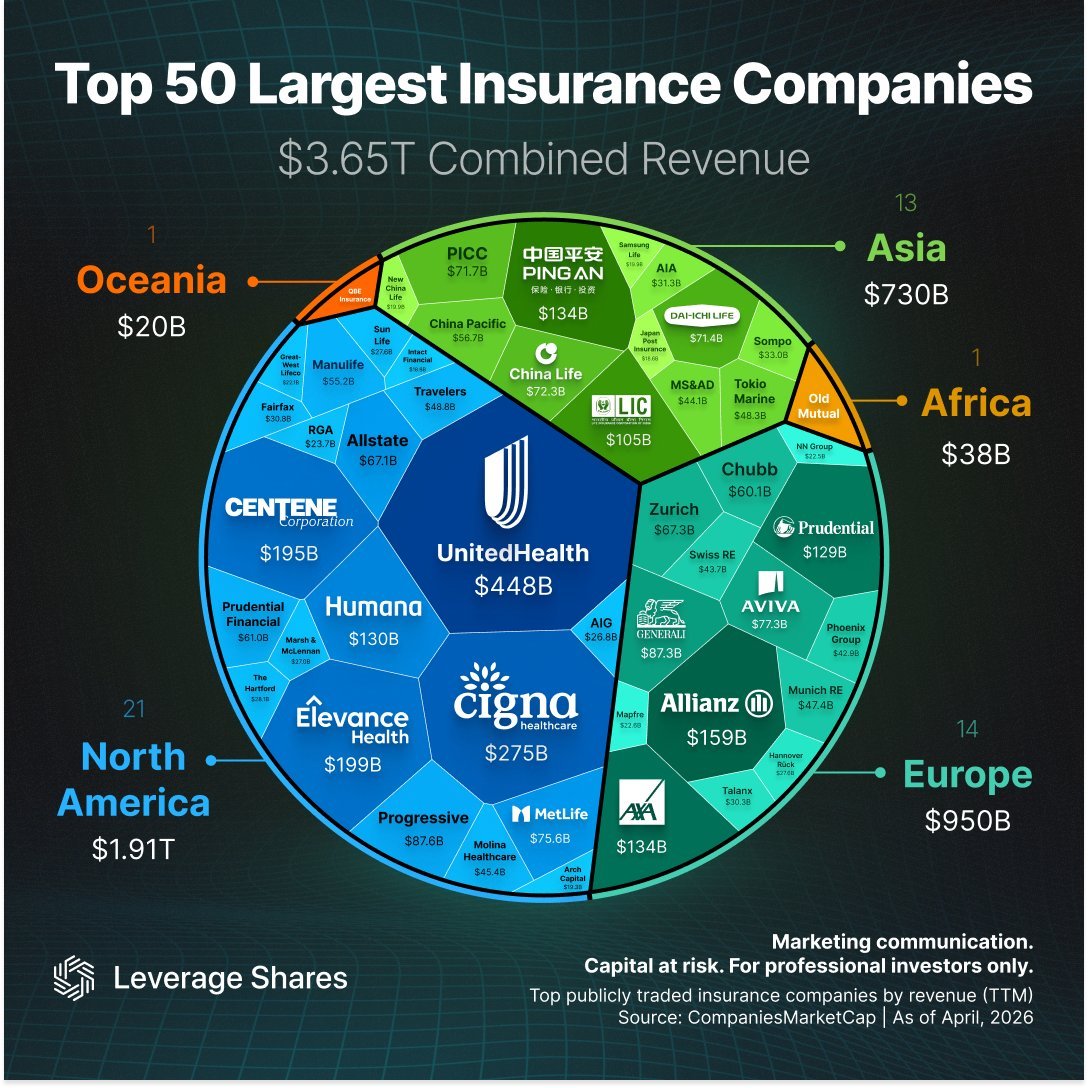
Ever wondered why some insurance companies consistently rank above others? It’s not magic. It’s a complex mix of factors that make or break their standings.
In this guide, I’ll break down the key criteria that determine an insurance company’s rank. We’ll dig into what really matters: financial stability, customer satisfaction, and market share.
Factors that Drive Insurance Company Rankings
When it comes to ranking insurance companies, several key factors come into play. First up, financial stability. This ensures that a company can cover large claims without going under. But let’s not forget customer satisfaction. If customers are unhappy, it’s game over. Lastly, market share gives us a peek into a company’s dominance in the industry. The bigger the slice, the more influential they are.
Evaluating Financial Stability
How do you know if an insurance company is financially stable? The answer is in their credit ratings. Companies like AM Best and Moody’s provide ratings that tell you everything you need to know. High ratings mean the company is solid. Low ratings? That’s a red flag.
Pro Tip: Always review an insurer’s credit rating before signing on the dotted line. This one step can save you from a financial nightmare down the road.
Comparison of Customer Satisfaction Ratings
Customer satisfaction is the heart of any business, and insurance is no different. J.D. Power and Consumer Reports are excellent resources for finding out how customers really feel about their insurers.
| Company | Customer Satisfaction Rating |
|---|---|
| Company A | 8.9/10 |
| Company B | 8.5/10 |
| Company C | 8.3/10 |
Notice how Company A edges out the competition? That’s because they know happy customers lead to long-term success.
Market Share’s Role in Rankings
Market share is more than just a number. It represents a company’s influence in the industry. A larger market share means more people trust that insurer. But here’s the kicker: big isn’t always better. Sometimes, smaller companies offer personalized service that giants can’t match. So, while market share is important, it’s not the sole factor.
Remember, bigger isn’t always better. Sometimes, the best service comes from smaller, more agile companies.
The Top Three Insurance Companies
Who’s leading the charge in the insurance industry? You might be surprised by the names that top the list. These companies have not only dominated the market but also set new standards.
Let’s dive into the achievements and strategies of the top three insurance giants. These companies didn’t just get lucky — they earned their spots by revolutionizing the way insurance works, adapting to market needs, and leveraging data like never before.
Company Profiles and Achievements
First up, we have Company A. Known for its innovation and customer-centric approach, Company A has consistently ranked as the top insurer globally. They reached a milestone of 100 million policies sold last year! How did they do it? By leveraging AI to streamline claims processes and enhance customer experience.
Next, Company B. They’ve been a big player, especially in life insurance. Their milestone? Achieving a 200% increase in digital policy sales over the past five years. Their secret sauce? A competitive edge in market research and targeted marketing strategies.
Finally, Company C has made waves with its aggressive expansion strategy. With a recent acquisition in Asia, their market share grew by 15% overnight. This move not only solidified their presence in emerging markets but also boosted their stock value significantly.
Market Influence and Data
These companies don’t just influence the market — they shape it. Company A leads with a 25% share of the global insurance market, thanks to their robust tech infrastructure. Company B’s focus on digital transformation has allowed them to capture 18% of the market, while Company C’s international deals have secured them a 20% share.
| Company | Market Share | Key Strategy |
|---|---|---|
| Company A | 25% | AI Integration |
| Company B | 18% | Digital Transformation |
| Company C | 20% | International Expansion |
Competitive Strategies
What sets these companies apart? It’s their competitive strategies. Company A invests heavily in AI and machine learning, helping them maintain low operational costs and improve customer service.
“The future of insurance is digital,” says Company A’s CEO.
Company B, on the other hand, focuses on digital platforms, allowing customers to manage policies seamlessly online. Pro Tip: Adopting digital tools can dramatically reduce costs while enhancing customer satisfaction.
Company C’s strategy revolves around acquisitions. Their recent purchase in Asia is a testament to their aggressive growth plans. They’re not just playing the game; they’re changing it.
Services and Products Offered by Leading Companies
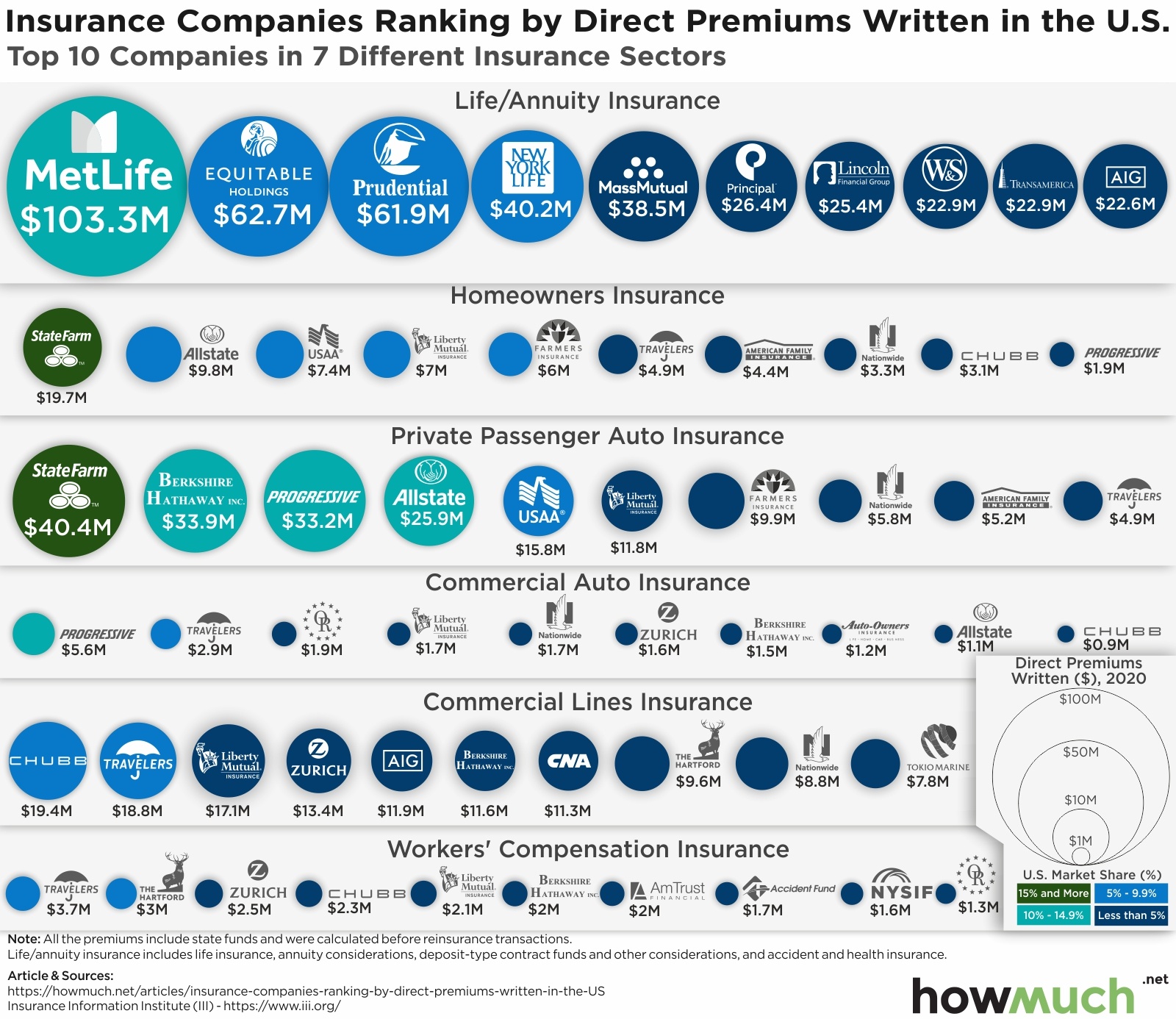
Ever wonder what sets the top three insurance companies apart? It’s not just their size or revenue. The real battleground is in the services and products they offer.
These companies aren’t just selling insurance; they’re offering a lifeline that could make or break your financial future. So, which products are in their arsenal, and how do they stack up against each other?
Types of Insurance Products Provided by Top Companies
The top insurance giants offer a smorgasbord of products. We’re talking about everything from life insurance to cutting-edge health plans. Here’s a quick rundown:
- Life Insurance: Whole, term, and universal policies.
- Health Insurance: Individual, family, and group plans.
- Auto Insurance: Coverage for cars, motorcycles, and more.
- Home Insurance: Protecting property and contents.
- Business Insurance: Tailored policies for enterprises.
Each of these categories comes with its own set of bells and whistles. But, what makes one stand out over the other?
Coverage Options Available Across the Top Three Companies
Coverage can vary widely, and this is where the top companies truly shine. They offer exceptional flexibility to meet diverse needs:
- Company A: Known for customizable plans with add-ons for every imaginable scenario.
- Company B: Offers extensive global coverage options for frequent travelers.
- Company C: Focuses on technical innovation, providing real-time policy management via apps.
Pro Tip: Always compare the fine print—deductibles and out-of-pocket limits can make a huge difference!
Exclusive Services or Benefits Offered
Benefits can be the cherry on top. Each of these companies has something unique to offer:
- Company A: Loyalty discounts and no-claim bonuses that reduce premiums over time.
- Company B: 24/7 customer service with multilingual support.
- Company C: Wellness programs with incentives for healthy living.
These perks can significantly enhance the value of your policy, making them more than just a safety net.
Premium Rates for Popular Insurance Products
Finally, let’s compare premium rates for some popular insurance products. Here’s how they break down:
| Insurance Product | Company A | Company B | Company C |
|---|---|---|---|
| Life Insurance | $500/year | $550/year | $520/year |
| Health Insurance | $300/month | $320/month | $310/month |
| Auto Insurance | $120/month | $130/month | $125/month |
So, ready to choose your coverage wisely? This table shows you the raw numbers, but remember, the devil is in the details!
Trends and Innovations in the Insurance Sector
Did you know that the insurance industry is one of the fastest evolving sectors today? Technological advancements are reshaping how companies operate and serve their customers.
From AI-driven solutions to data analytics, insurance companies are adopting cutting-edge technology to stay ahead of the curve. Let’s dive into how these innovations are transforming the industry!
Technological Advancements in Insurance Services
Emerging tech is revolutionizing insurance. Blockchain is boosting transparency and security for transactions. Meanwhile, the Internet of Things (IoT) is enabling insurers to offer personalized premiums. BUT, it’s the rise of AI and machine learning that is a true game-changer—predicting risks and automating claims processes like never before.
Adapting to Digital Transformation
Top insurers are not just keeping up; they’re leading the charge in digital transformation. They’re investing heavily in digitization to enhance customer experience and streamline operations. Here’s the deal: those who fail to adapt risk being left in the dust. Companies are launching intuitive mobile apps and online platforms that make policy management as easy as ordering a pizza.
The Role of Artificial Intelligence and Data Analytics
AI is doing more than just talking robots and chatbots. It’s about predictive analytics and risk assessment. Data is the new oil, and insurance companies are drilling down to harness its power. By analyzing vast amounts of data, insurers can predict trends and offer more tailored solutions to their clients.
Innovative Insurance Products Introduced Recently
Innovation is not just about technology; it’s about new products too. We’ve seen the rise of microinsurance, which offers coverage for specific, short-term risks. Pay-as-you-go insurance is also gaining traction, allowing customers to pay premiums based on their actual usage. Pro Tip:
Insurance isn’t a one-size-fits-all anymore. Customization is key to keeping customers happy and loyal.
Future Prospects of Top Insurance Companies

The insurance industry is on the brink of a massive transformation. Are the top insurance companies ready to face the challenges and seize the opportunities ahead?
Let’s dive into the future prospects of these industry giants and what the road ahead looks like for them.
Predicting Future Challenges
Insurance companies are grappling with a rapidly changing world. From climate change to cybersecurity threats, the risks are mounting. They need to innovate quickly or risk being left behind.
Here is the deal: emerging technologies like AI and machine learning are both a boon and a bane. While they offer cutting-edge solutions, they also bring new vulnerabilities. How these companies adapt will define their success.
Potential Growth Opportunities
The digital revolution opens numerous doors for growth, especially in underinsured markets. By harnessing data analytics, top insurance companies can craft personalized products that meet the unique needs of consumers.
Step #1: Expand into emerging markets where insurance penetration is low. Step #2: Leverage technology to create seamless customer experiences.
Pro Tip: Investing in insurtech startups can accelerate innovation and lead to increased market share.
Impact of Regulatory Changes
Regulations are a double-edged sword. While they ensure stability and protect consumer interests, they can also stifle innovation. The leading insurance companies must navigate these waters carefully.
Upcoming regulatory changes may demand increased transparency and data protection, which could require substantial investment in compliance infrastructure. But, companies that adapt swiftly will gain consumer trust and a competitive edge.
Importance of Sustainable Practices
Sustainability is no longer just a buzzword; it’s a business imperative. Customers are increasingly choosing companies that demonstrate environmentally and socially responsible behavior.
Top insurance firms need to integrate sustainable practices into their core strategy. This means not only assessing environmental risks but also investing in green technologies and sustainable projects.
Pro Tip: Offering insurance products that incentivize sustainable behavior can differentiate your brand and attract eco-conscious consumers.
Summary
And there you have it! We’ve journeyed through the world of insurance, spotlighting the giants who dominate this ever-evolving industry. The top three insurance companies do more than just hold significant market share—they drive innovation, set trends, and adapt to the challenges of a globalized economy. As the industry continues to face new technological advancements and regulatory changes, these leaders are well-positioned to continue their reign. So, whether you’re a policyholder or just an industry enthusiast, keep an eye on these companies as they shape the future of insurance.
Frequently Asked Questions
Who are the top three insurance companies in the world?
The top three insurance companies globally are often identified as Allianz, AXA, and Ping An Insurance, based on market share and revenue.
What factors determine the ranking of insurance companies?
Factors include financial stability, market share, customer satisfaction, and innovative service offerings.
How do these top companies maintain their market position?
They leverage competitive strategies, invest in technology, and adapt to market and regulatory changes.
What are the services offered by these top insurance companies?
They offer a wide range of products including life, health, property, and casualty insurance among others.
How is technology influencing the insurance industry?
Technology is revolutionizing the industry through digital transformation, AI, and data analytics, enhancing efficiency and customer experience.
What challenges do top insurance companies face in the future?
They face challenges such as regulatory changes, cybersecurity threats, and the need for sustainable practices.
What growth opportunities exist for the top three insurance companies?
Opportunities lie in emerging markets, innovative product offerings, and leveraging data analytics for personalized services.
